
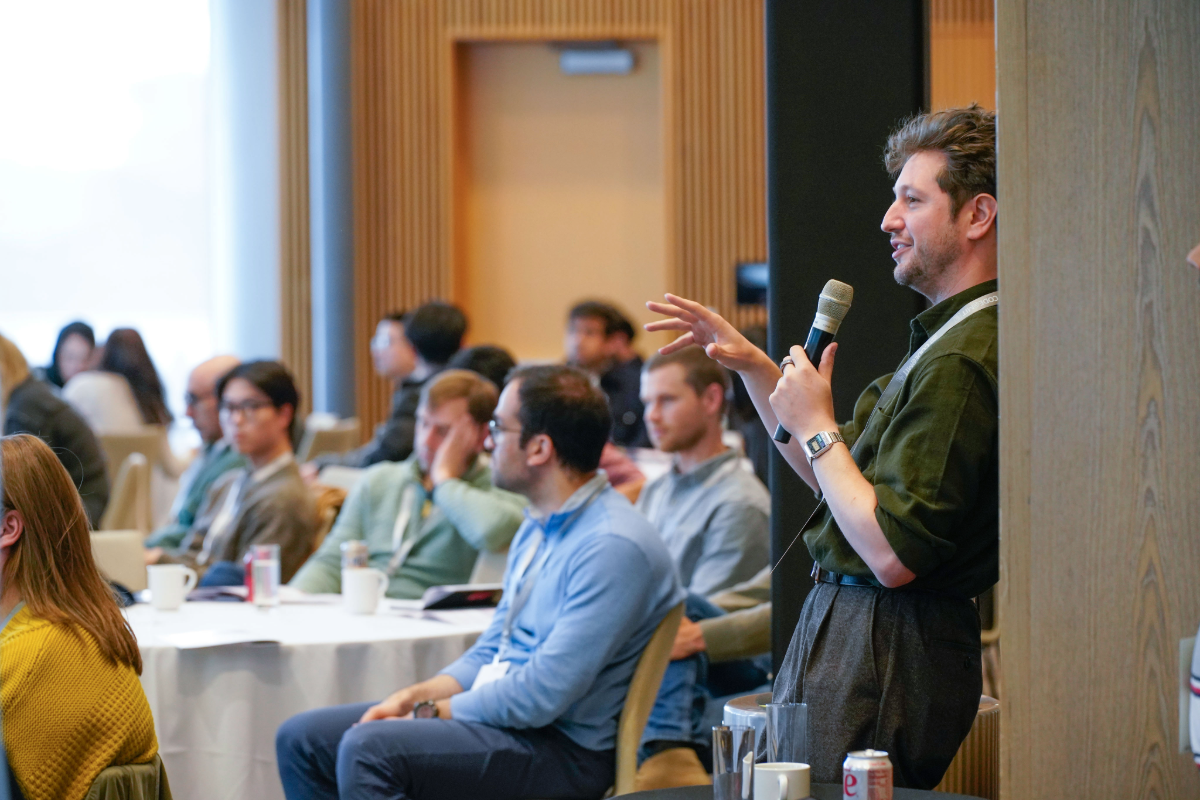
Every time a streaming app changes its homepage, or a search engine rewrites its results, someone is running an experiment. Doing that well, and learning the right things from it, requires rigorous research standards, a high level of understanding of experiment design, and a team with the skills to analyze the results.
On November 13-14, the MIT Initiative on the Digital Economy brings together the people working on these types of projects to discuss what they’ve been working at the 2026 Conference on Digital Experimentation at MIT (CODE@MIT).
Want to know more about the event sessions? You can view the agenda online here.

What is CODE@MIT?
CODE@MIT offers an inside look at the experimentation projects being conducted at major tech platforms and research institutions across the globe. Economists, computer scientists, sociologists, and policy experts come from academia, industry, and government to share findings, sharpen methods, and build a community around the work.
The conference is also an opportunity for convening and one-on-one discussions with people within industry and research institutions. Researchers from companies and research institutions dive deep into this specialized topic, bringing real questions and sharing insights they’ve gained on the job.
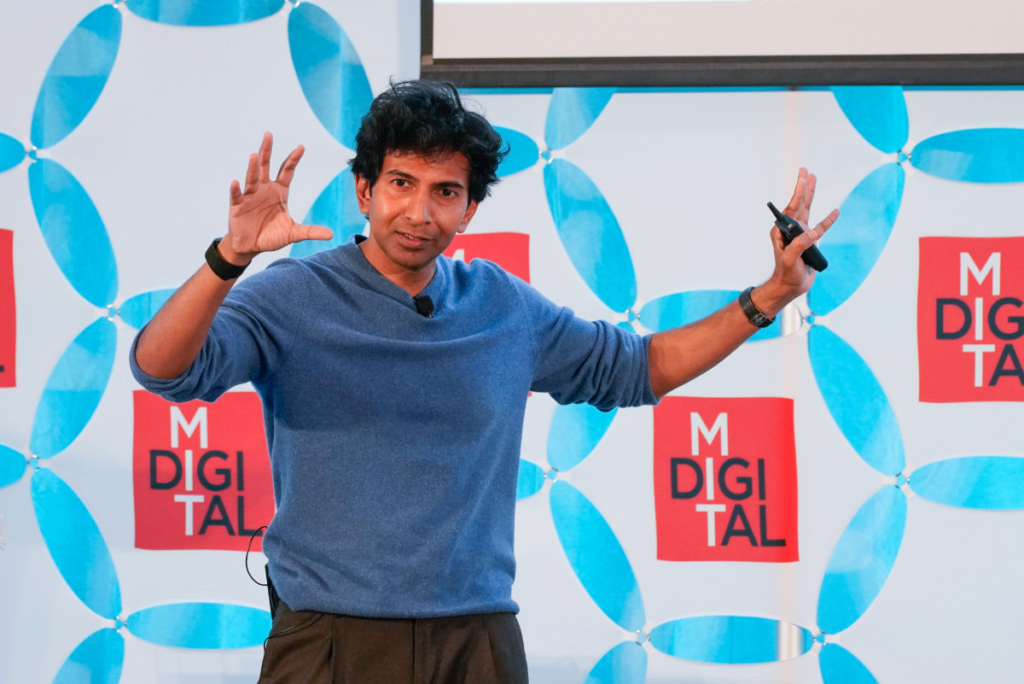
Five themes are emerging in 2026
Every year, CODE@MIT sessions reflect what’s happening today at major platform companies. The CODE@MIT Technical Committee identifies topics of focus to guide the submission process. A look at the papers and projects submitted within those topics have revealed a few distinct themes:
Can AI stand in for human test subjects?
Dennis Zhang of Washington University opens the conference with research on using AI-generated responses to supplement costly human studies. Spotify’s Mårten Schultzberg and Austin van Loon of MIT Sloan, who are part of the Practitioner Panel, also explore simulated users. Parallel session D on day 1, called “Supporting Human Experiments with Simulated Users,” Will feature four papers on the topic.
How do you test a product that is itself AI?
Hannah Li of Columbia examines A/B testing for multi-turn conversations, part of parallel session Q: “Quantifying Success in AI Products and Other Complex Systems.” Numerous posters in the two-day Poster Slam will tackle this topic as well, from “Auditing AI-Generated Advertising: A Cross-Product Prompt Experiment on Skin-Tone Representation,” to “Understanding the Role of Friction in AI Writing Tools on Writer Motivation.”
Is AI search good for the people who publish on the web?
IDE Director Sinan Aral presents on the rise of AI search and its effects on information markets, called “The Rise of AI Search: Implications for Information Markets and Human Judgment at Scale.” Researchers from Northeastern and the University of Pennsylvania will present, “AI in Search Reduces Publisher Referrals Without Improving User Experience: Experimental Evidence”—both during parallel session N: AI Search, Discovery, and Publisher Economics.
What happens when users affect each other?
Peter Hull of Brown University kicks off the conference in Plenary Session 1 with a presentation on experiment design for spillover effects. Stanford’s Ramesh Johari and Stefan Wager, along with teams from LinkedIn, Meta, and Airbnb, show how it plays out on real platforms during parallel session 1 with the presentation, “Estimating Treatment Effects in Finite Horizon Experiments with Rolling Enrollment.”
What do people want from personalization and ads?
Harvard’s Chiara Farronato asks whether consumers know if personalized ads make them better off, based on a field experiment across Amazon, Meta, and Google. IDE Research Group Lead Alessandro Acquisti will present his research on how people value privacy and how ads change the way they search. Researchers from Berkeley and TikTok will also examine this question in parallel session M on day 2, “What Do Privacy-Constrained Advertising Experiments Measure? Comparing Incrementality at the User and Market Levels.”
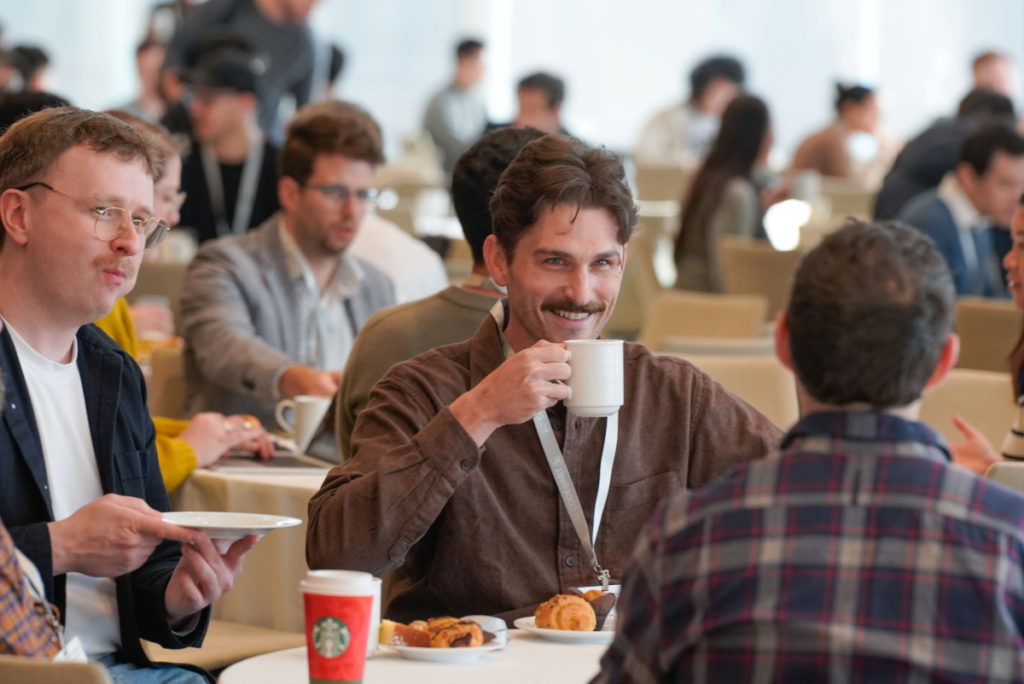
What to expect at CODE@MIT
CODE@MIT attendees will find three different types of session, as well as an opportunity to interact directly with researchers.
Plenary sessions are deep dives into a recent project or paper from a leading research scientist. They are offered both days.
Friday, Nov. 13
- Dennis Zhang, Washington University in St. Louis: “AI and Experimentation”
- Peter Hull, Brown University: “Robust Signal Maximization in Spillover Experiments”
Saturday, Nov. 14
- Damon Jones, University of Chicago: “Social Science Experimentation within Large Organizations”
- Zana Bucinca, MIT: “Worker-Centric AI”
- Chiara Farronato, Harvard Business School: “Experience and the Demand for Ad Personalization: Evidence from a Field Experiment”
- Nicole Pashley, Rutgers University: “Factorial Experiments with Complex Treatment Uptake”
Parallel sessions give a quick look at a group of papers built around a common theme. Examples include:
- Session C: Adaptive Policy Learning and Evaluation
- Session I: Human-AI Interaction
- Session K: Experiment Design Under Treatment Abundance
The fireside and practitioner panels offer high-level insight into what’s working in digital experimentation at today’s top companies, and the issues they’ve run into over the past year.
Day 1 will include Amy Hartwig (Microsoft and GitHub), Mårten Schultzberg (Spotify), Winston Chou (Netflix), Jessie Li (OpenAI).
On Day 2, Gordon Burtch (Boston University and Meta), Manish Raghavan (MIT), and Neha Mittal (JustAI) discuss generative AI and the diversity of ideas.
Poster slams at midday each day give researchers a chance to talk about their work and findings and attendees a chance to browse digital experimentation projects happening now. It’s a unique feature of CODE@MIT and provides incredible access to the people doing the work.
Join us
CODE@MIT is supported by Eppo by Datadog, Meta, and Netflix (gold sponsors), along with Amazon, Statsig, and OpenAI (silver sponsors).
Registration is open. Get your ticket.